
Orthodontics for children: when to start and what Invisalign First is
At 7 almost nobody is treated, but almost everything can be seen coming. That is the reason for the early check-up.

Why at 7
By that age the first permanent molars and the incisors are in, and the relationship between the arches can be assessed. Problems like a crossbite, a narrow arch or a marked lack of space are spotted then — and some are better corrected while the child is growing.
Treat now or wait
Most check-ups end in "wait and monitor". When a first phase is recommended, it is because growth can be used: expanding a narrow arch, correcting a crossbite or gaining room for the permanent teeth to come in well.
What Invisalign First is
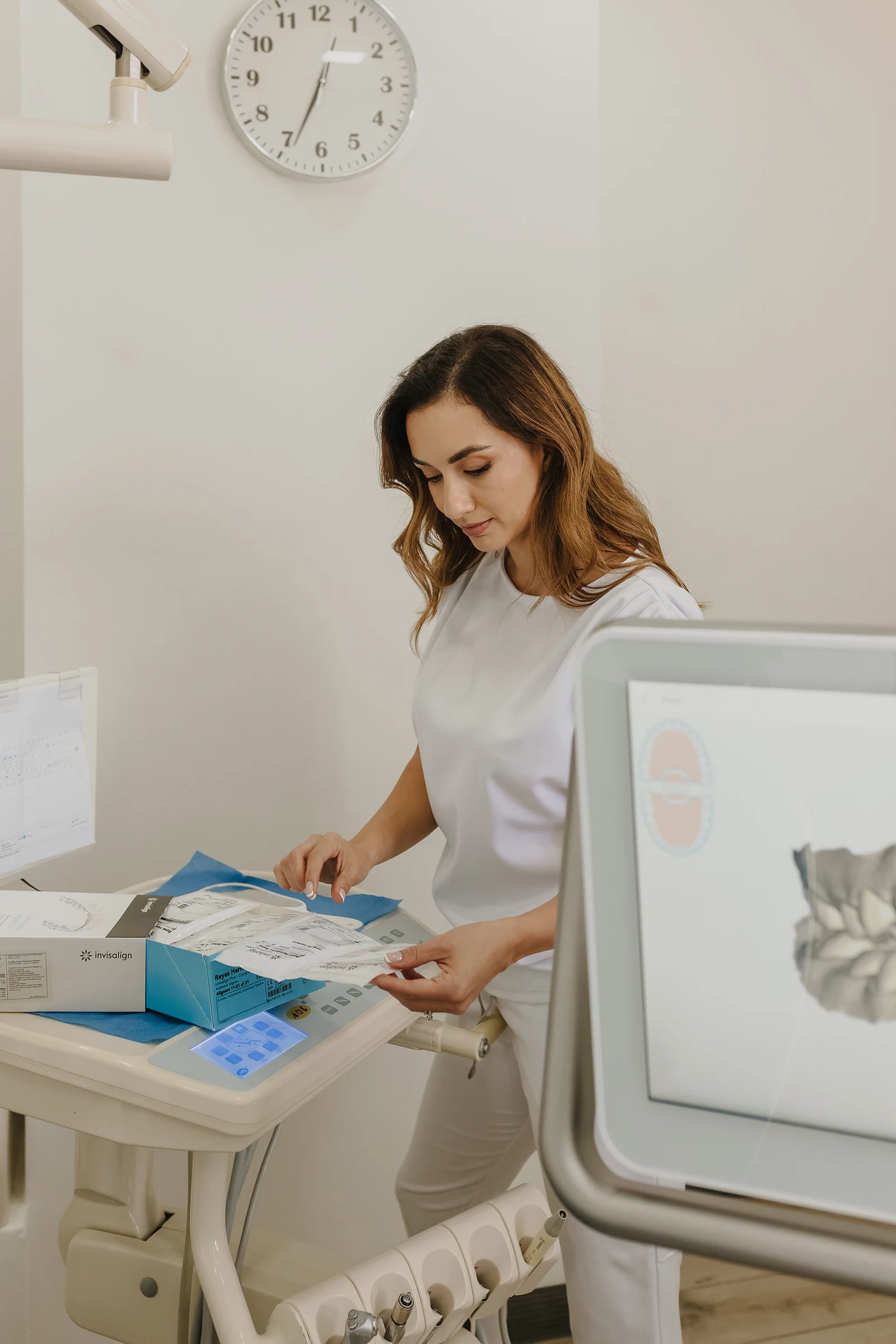
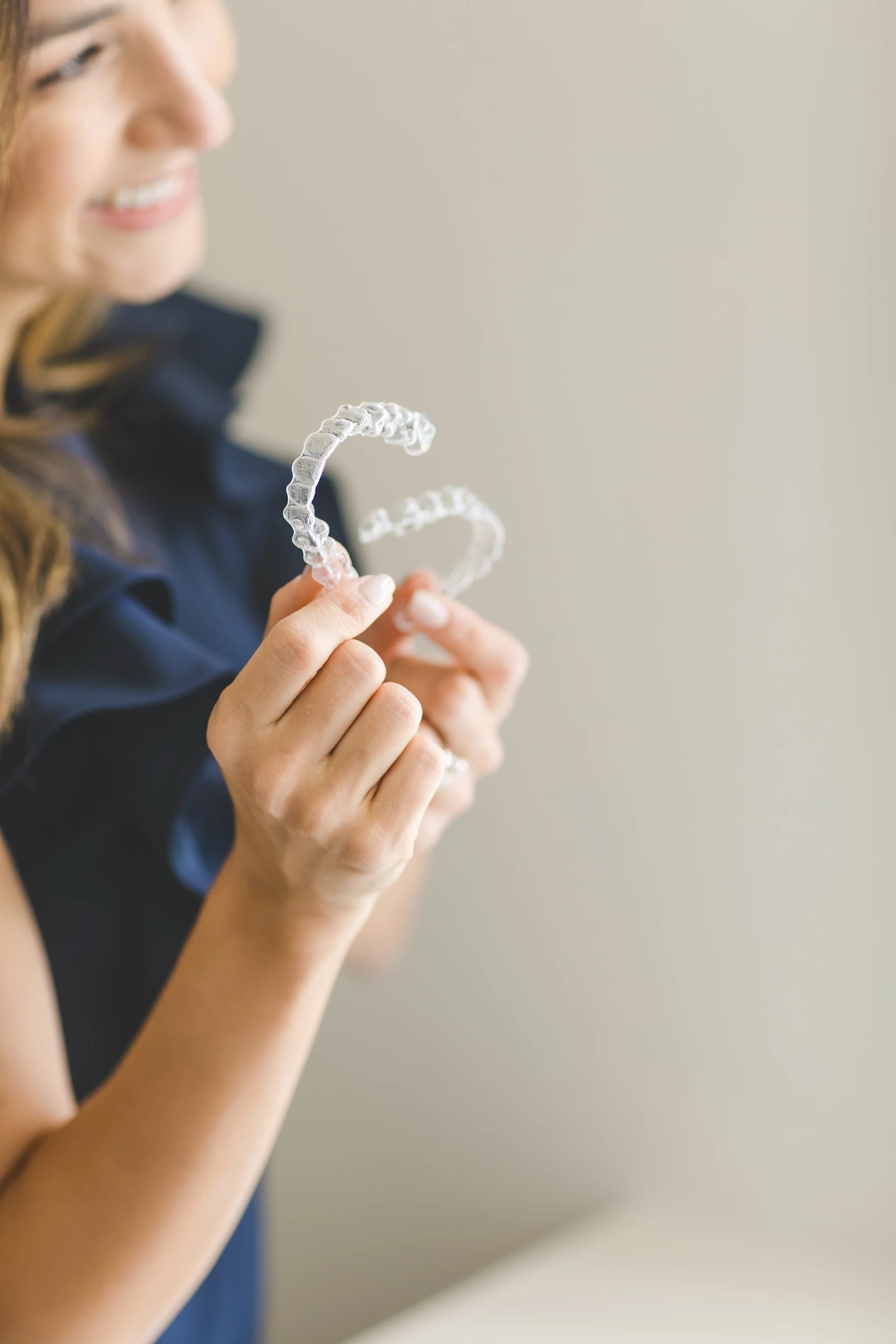
It is the version of the system for mixed dentition: aligners designed for erupting teeth, with space compensation and gradual expansion. It does with removable aligners what used to require fixed expanders, with no food restrictions.
What a parent should know
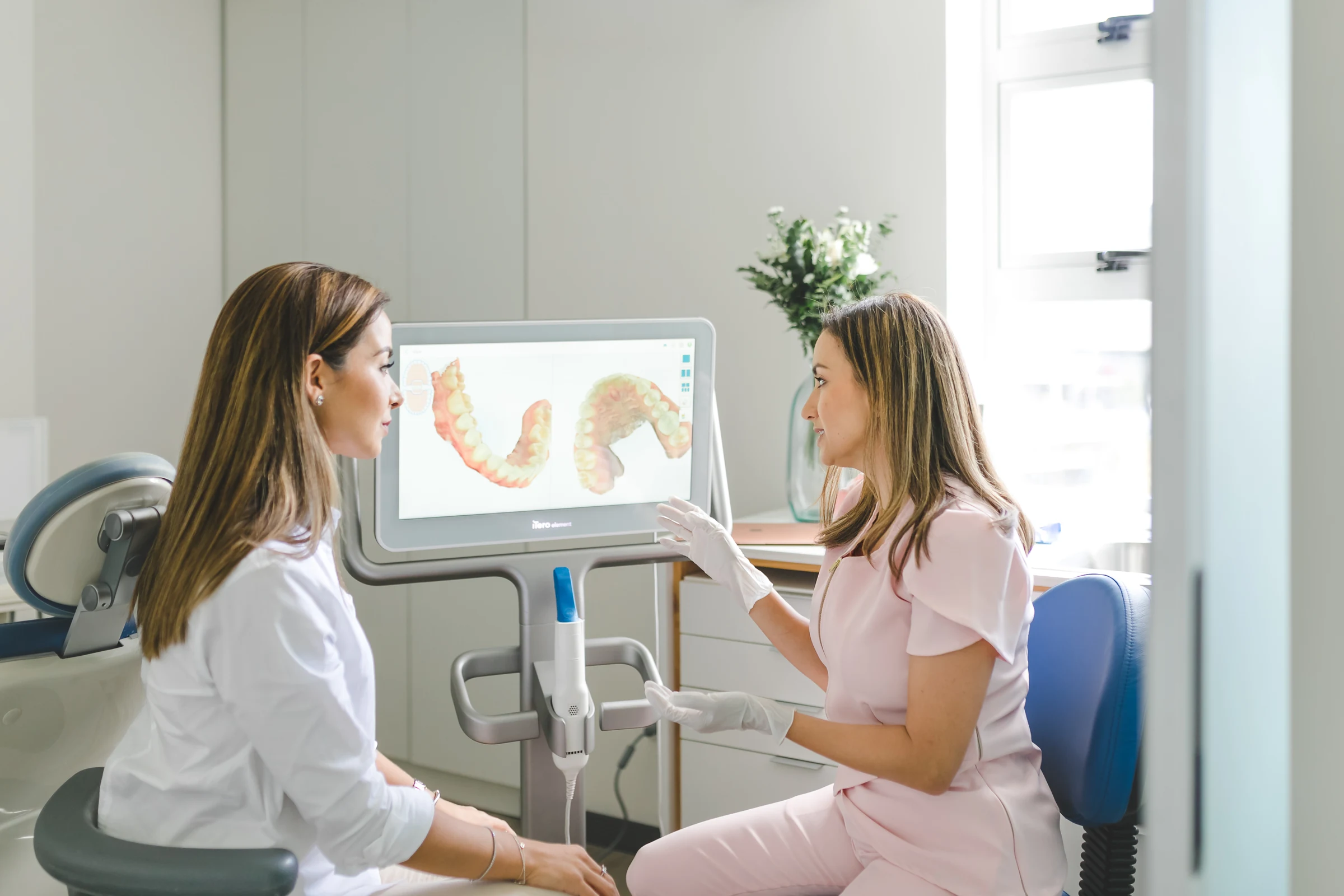
That a first phase does not always avoid a second: sometimes the final position of the permanent teeth needs a short adjustment later. That daily wear is a shared responsibility. And that the iTero™ scan uses no impressions — for a child, that difference is huge.
- — American Association of Orthodontists — first orthodontic check-up at age 7.
- — Align Technology — Invisalign First: indications in mixed dentition.