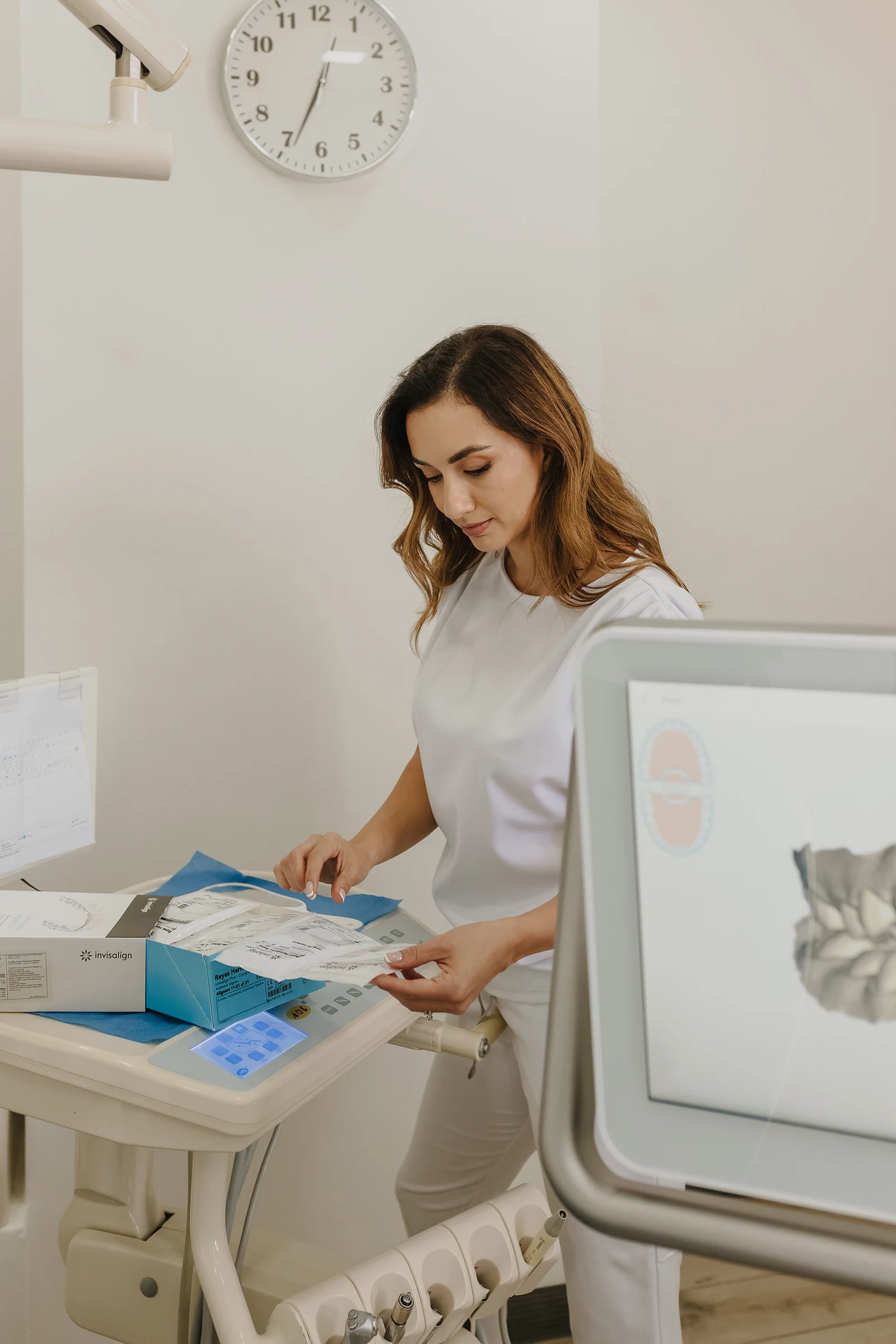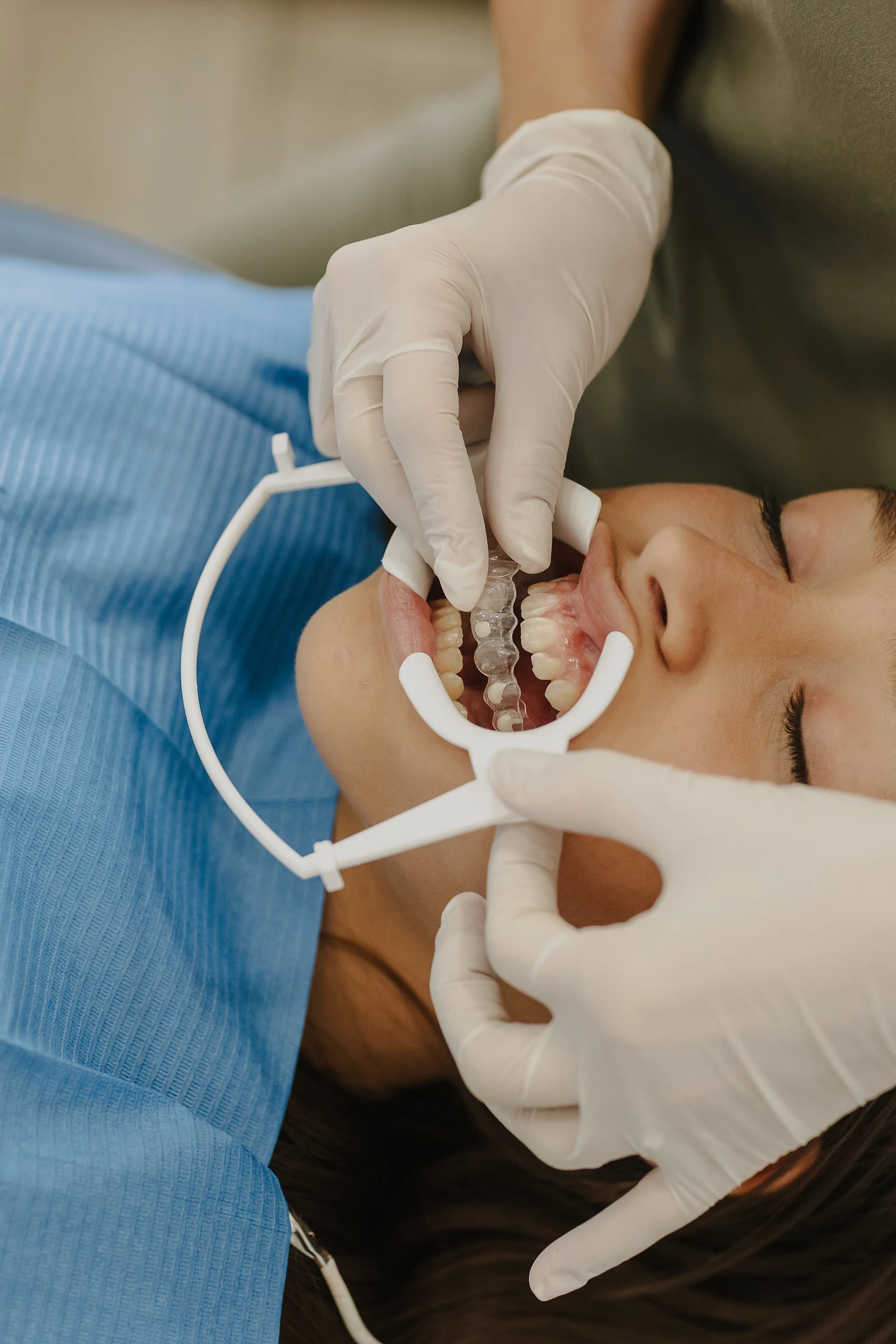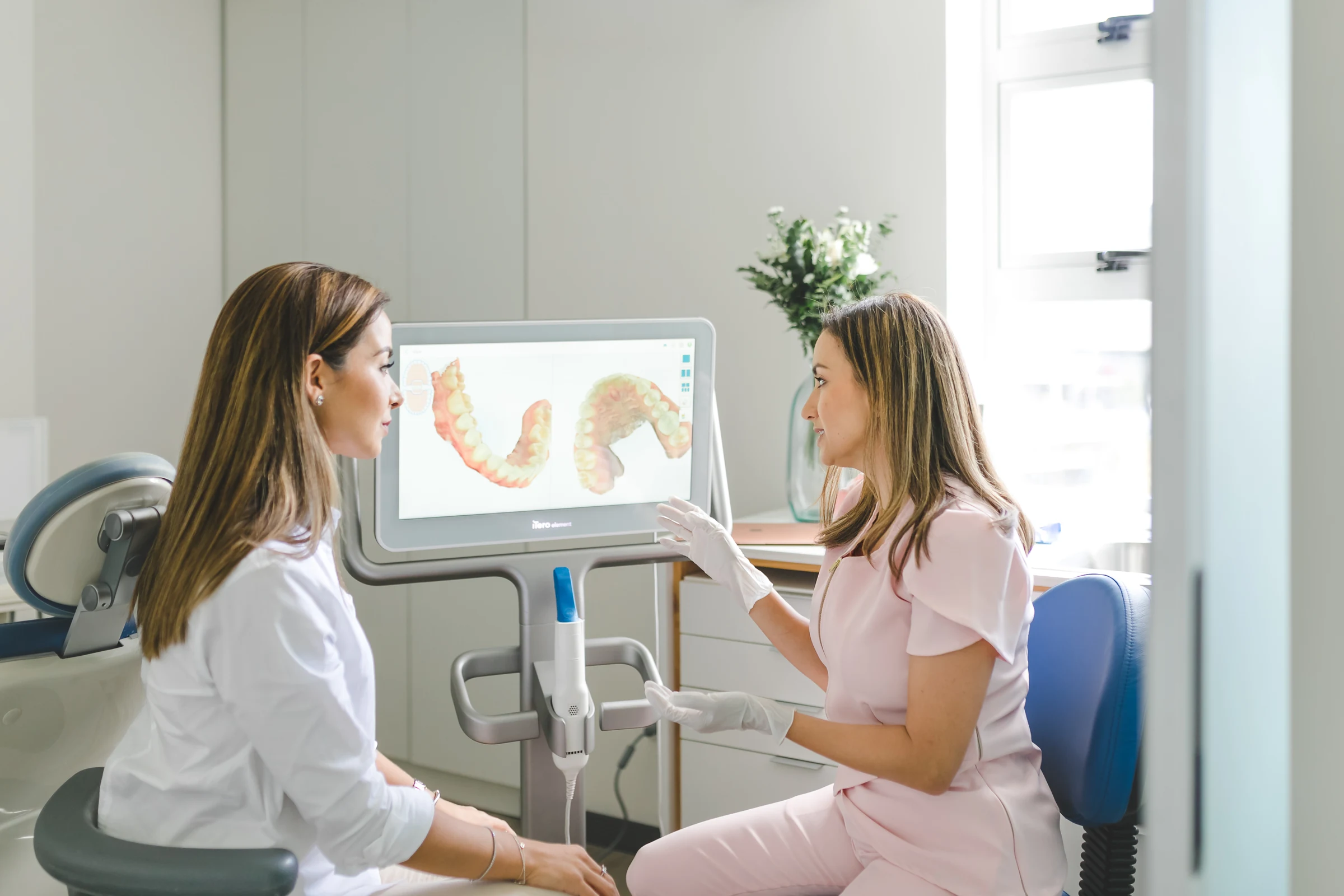

Invisalign or braces: an honest comparison
Both move teeth and both work. The question is not which is better, but which is better for your case and for your life over the next 12 months.
What shows
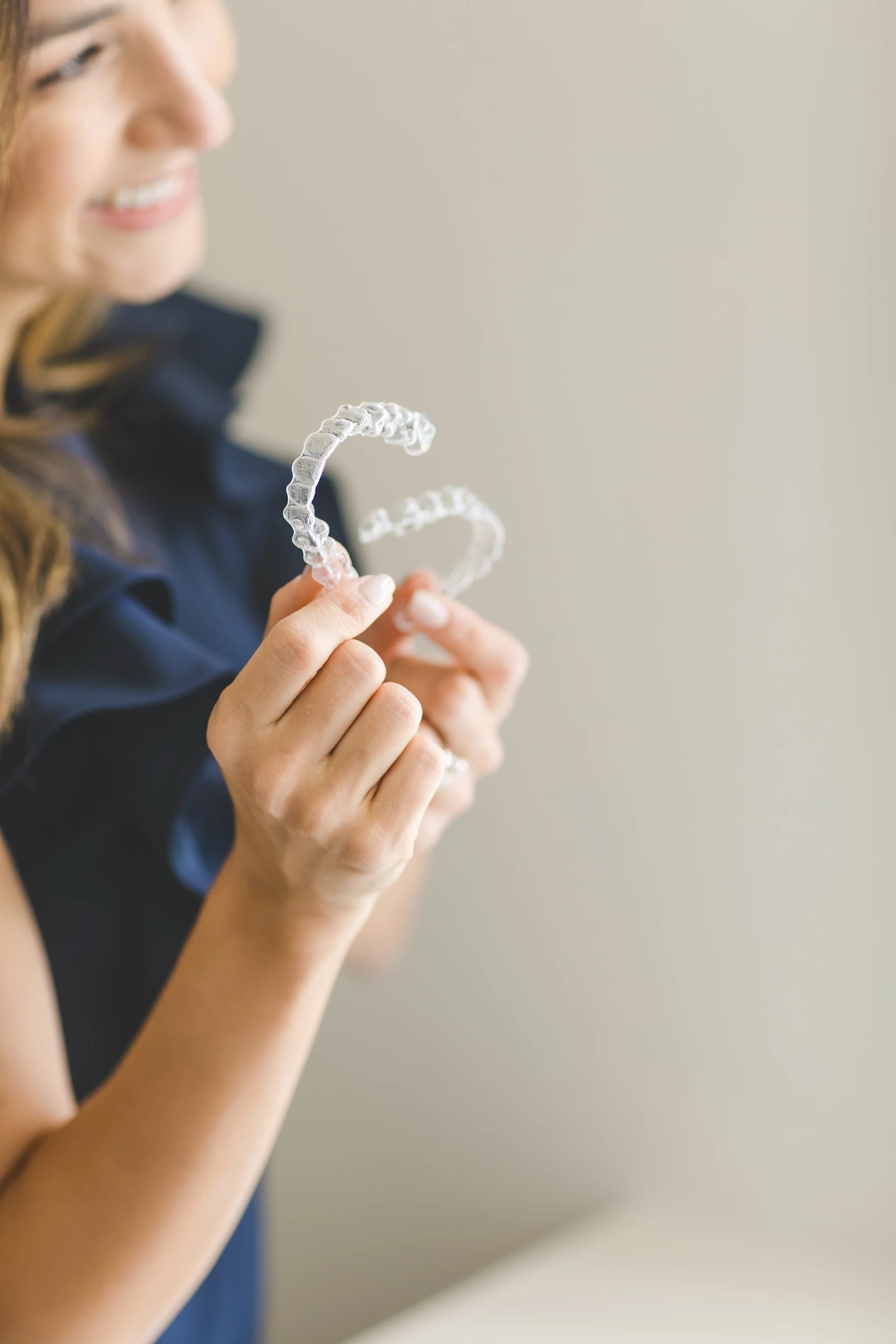
Aligners are practically invisible at conversation distance; braces, even ceramic ones, show. For many adults and teenagers that single difference decides.
Eating, drinking, brushing
With aligners there is no list of forbidden foods: they come out, you eat what you like, brush and put them back. With braces you avoid hard and sticky foods, and hygiene calls for special brushes and threaders. Over a long treatment that difference shows in the gums.
Emergencies
A debonded bracket or a loose wire is an unplanned visit, and sometimes real discomfort until it is fixed. With aligners emergencies are almost nonexistent: the worst that happens is losing one.
Discipline
Here braces win: they are fixed and do not depend on the patient. Aligners demand 22 hours of wear a day. If you know you won't wear them, braces are the honest choice.
Cases that call for braces
Some severe rotations, large vertical movements or surgical cases are better controlled with fixed appliances, or with a combined approach. A practice that only offers one option is not diagnosing: it is selling.
Price
Aligners usually cost somewhat more than metal braces and about the same as ceramic ones. What each plan includes matters more than the figure: see the article on price.
- — American Association of Orthodontists — types of orthodontic appliances.
- — Align Technology — indications and wear of Invisalign aligners.